
Pumptracks
We plan and build sustainable pumptracks! Whether a pumptrack is built as an inner-city community project or at the mountain station of a cable car – it puts a smile on the faces of bikers young and old.
A pumptrack is a special type of course characterised by a varied combination of rollers, berms and banked turns. A particular feature of a pumptrack is that it is designed so that riders can build up speed without pedalling, through the skilful use of body movements – this is called "pumping". Pumptracks are often built from gravel or asphalt and can be suitable for various types of bikes and skates.
Benefits of a pumptrack
Pumptracks foster an incredibly broad range of skills in athletes of every age.
Improving cycling and skating skills
Pumptracks are a fun and challenging way to improve riding technique, promote balance and coordination and build confidence on the bike or skates.
Physical training
Riding on a pumptrack requires physical effort and can be regarded as a form of cardiovascular training that can improve strength, endurance and flexibility.
Social meeting point
Pumptracks are often a meeting point for people of all ages and levels who share a common passion for cycling or skating. This can lead to social interaction, friendships and a stronger sense of community.
Improving road safety
Because pumptracks provide a safe environment for practising and improving cycling and skating skills, this can help people become safer and more confident cyclists and skaters who cope better in road traffic.
Versatility
Pumptracks can be suitable for various types of bikes and skates and offer a varied and challenging environment for riders of every level.
Planning and implementation
So far we have been able to develop and realise pumptracks and practice courses in Austria and Italy. The planning and implementation of a pumptrack can vary depending on size, location and budget. The following points are taken into account when implementing a pumptrack:
Site selection
A suitable site for the pumptrack must be found. There should be enough space available to build the course.
Target group analysis
It is important to define the target group for the pumptrack and adjust the difficulty of the course accordingly. The course is planned according to the interests and needs of its users.
Obtaining permits
Depending on the location, various permits from the local authorities and landowners may be required in order to plan and build the trail.
Design
The design of the pumptrack must meet the needs of the target group and make optimal use of the available space.
Construction
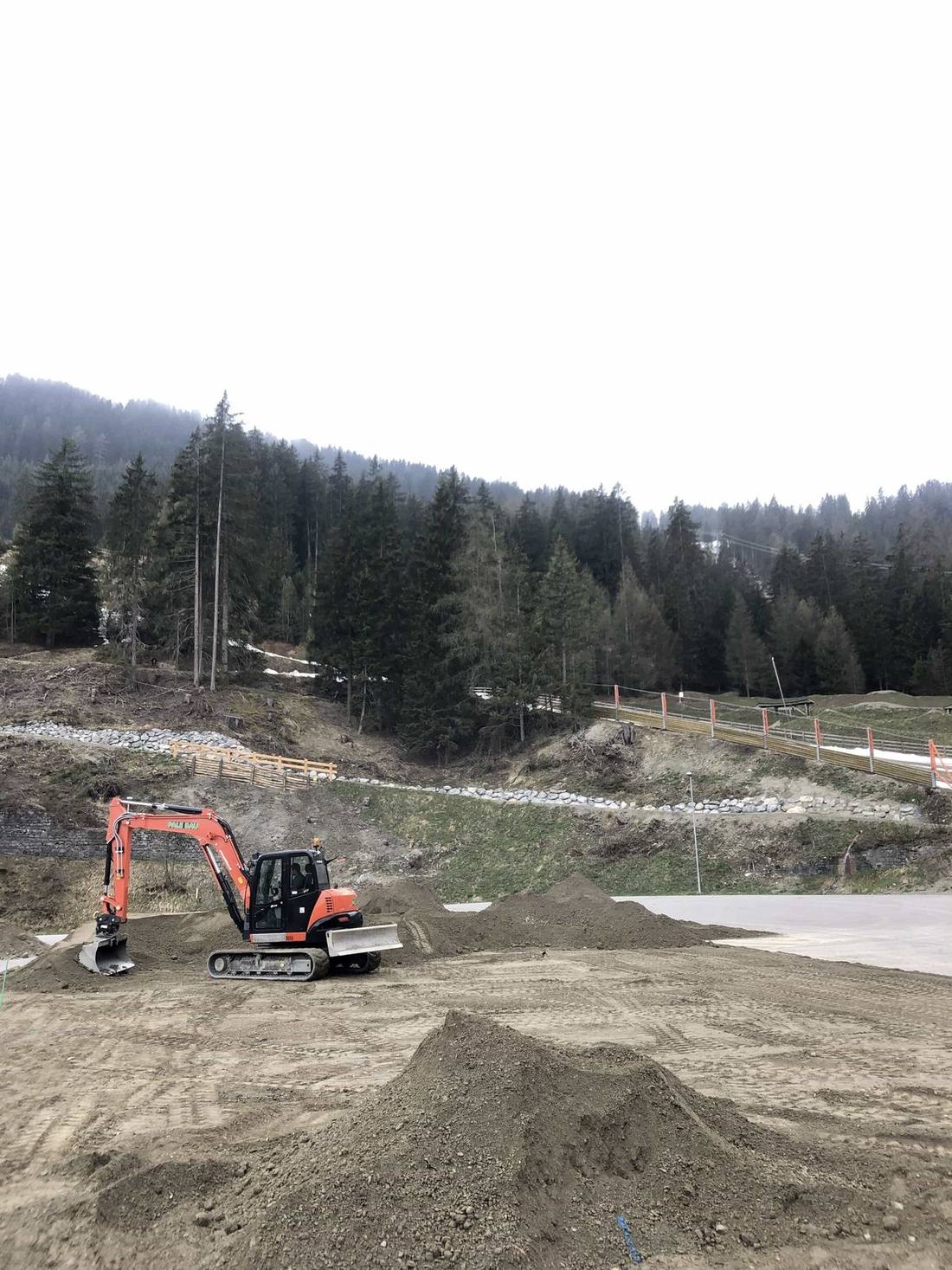
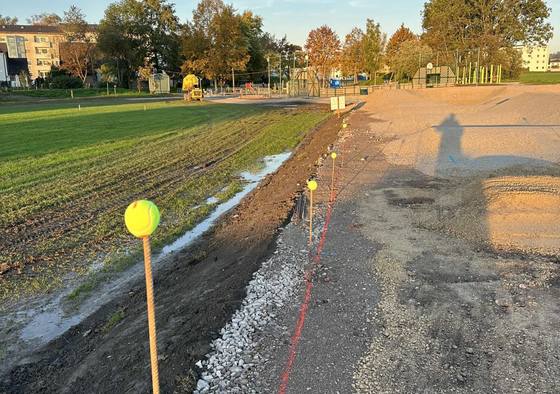
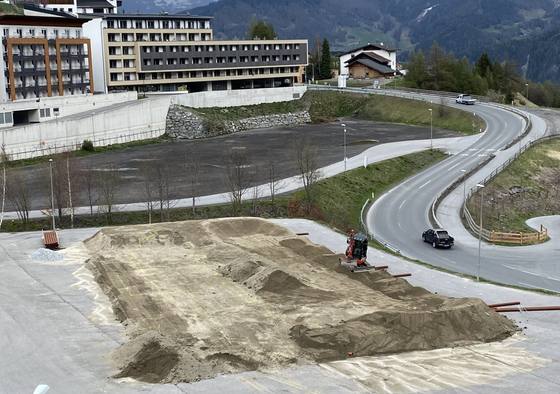
The construction of the pumptrack takes place in several phases, beginning with preparing the ground, building the turns and rollers, installing drainage systems and securing the course.
Testing and fine-tuning
After the pumptrack is completed, tests should be carried out to ensure that the course is safe and rideable. If necessary, fine-tuning should be performed.
How much maintenance does a pumptrack require?
Asphalt pumptracks require less maintenance than natural pumptracks and are more resistant to vandalism and weather. Most of the upkeep effort focuses primarily on cleaning the riding surface and maintaining the green areas.
History of pumptracks
Pumptracks have their origin in BMX racing and dirt jumping, where they were used as training and racing courses. The term "pumptrack" was first coined in the late 1990s, when a group of BMX riders in California began building a course specifically designed to generate speed through pumping and rolling.
Since then, pumptracks have developed into a discipline of their own within cycling and skating. They are now popular not only in the BMX scene, but also among mountain bikers, skateboarders, inline skaters and scooter riders.
The popularity of pumptracks has led to them being built in more and more towns and communities around the world, in order to offer people of all ages and levels a safe and fun environment for practising and improving their cycling and skating skills.
Related projects
Frequently asked questions
How much does a pumptrack cost?
The cost depends on size, location, construction type (asphalt or natural material) and budget. After a site analysis we prepare an individual quote – contact us for a no-obligation estimate.
What is a pumptrack?
A pumptrack is a continuous loop of rollers and banked turns where you build speed by “pumping” – using body movement instead of pedalling. Suitable for bikes, BMX, scooters and skates.
Asphalt or natural material – which is better?
Asphalt pumptracks need less maintenance and are more resistant to weather and vandalism; natural ones blend more organically into the terrain. We advise you on the best option for your site.
Interested in Pumptracks?
Tell us about your project – we will realise it together.